
Every Step of Your Pregnancy as a CareFirst CHPMD Member
Pregnancy is a time of big changes. As a CareFirst CHPMD member, you’re not alone. This guide brings everything together—your benefits, programs and local resources—so you can stay healthy, reach key milestones and get tips for every stage, from planning to postpartum care.


Weeks 13–27 (2nd Trimester)
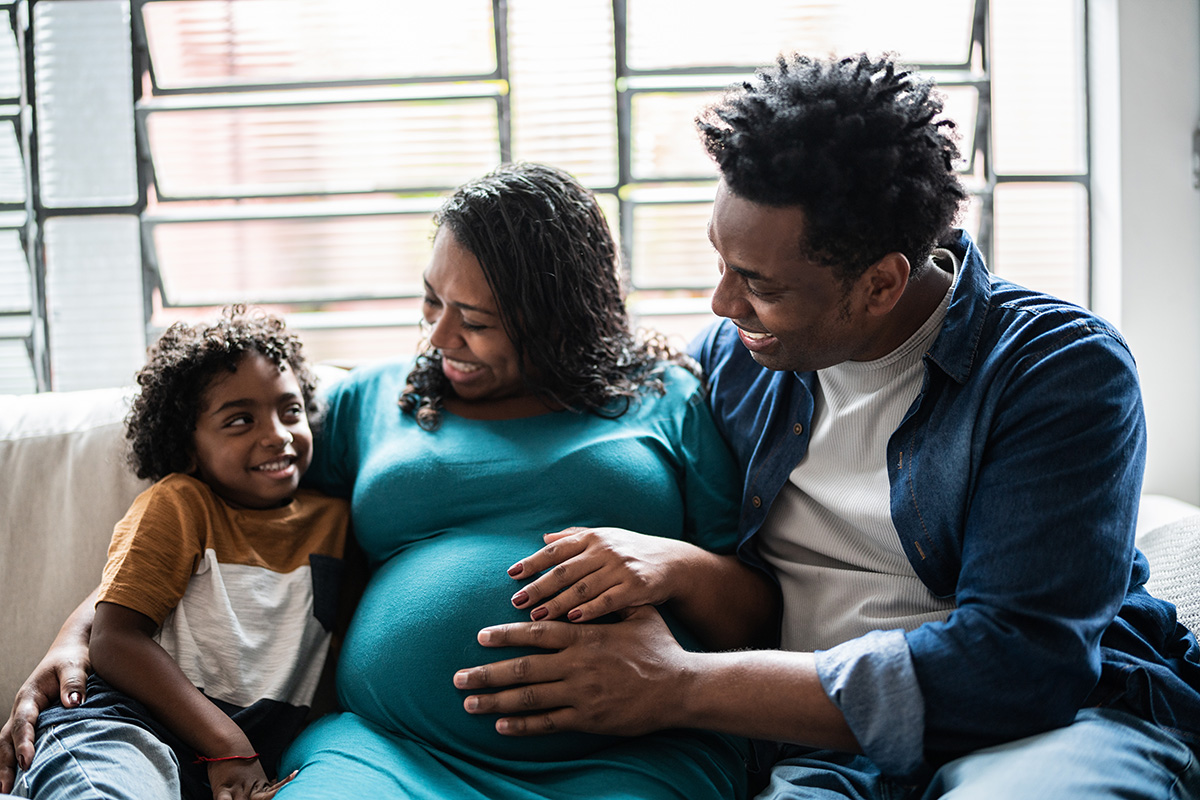
You may start feeling better—less nausea, more energy and a growing baby bump. This is an exciting stage where you’ll get to see and hear your baby during checkups. We’re here to help you stay healthy and connected to the resources you need.
On this page you'll find:
Welcome to Your 2nd Trimester!

What to Expect
-
Body changes
Less nausea, more energy, noticeable baby bump
-
Fetal development
Baby’s movements can be felt, organs continue to develop
-
Common Concern: Nutrition
Your body is doing something amazing—nourishing you and your baby. Eating well supports your health and your baby’s development. Most people gain weight during pregnancy, and healthy ranges vary.
Recommended Steps:
-
Between 15–20 weeks, talk to your doctor about a maternal serum screen for genetic disorders and neural tube defects .
-
Between 18–20 weeks, schedule an ultrasound to check your baby’s organ health.
-
Between 24–28 weeks, you'll need a glucose (sugar) test to check for diabetes during pregnancy to make sure you and your baby stay healthy.
-
In some cases, your doctor may recommend an amniocentesis or other tests based on age or health conditions.
Ask your doctor these questions during the middle of your pregnancy. They focus on how your baby is growing and how you can stay healthy.
How is my baby growing and developing?
What tests will I need in the second trimester?
What symptoms should I watch for in the second trimester?
What are the signs of preterm labor?
What should I do if I have bleeding or unusual discharge?
How can I manage common second-trimester discomforts?
What should I know about weight gain and good nutrition?
Can I keep doing my exercise routine?
Is it safe for me to travel during the second trimester?
Can I make a birth plan?
Is breastfeeding a good choice for me?
How can I get ready for breastfeeding?
If something does not feel right, what should I do first?
Who can help me if I feel like my concerns are not being heard?
Learn More on Your Own
Want to dig deeper? These trusted resources can help answer common questions.
Preeclampsia and high blood pressure during pregnancy: Understand the signs of preeclampsia and why it’s important to get care right away.
Read ArticleGestational diabetes: Learn what it is, how it’s tested and how it can affect your pregnancy.
Read ArticleCreating a birth plan: Use a sample birth plan to think through your choices and talk with your care team.
Read ArticleHow to tell when labor begins: Learn the common signs of labor and when to call your doctor or go to the hospital.
Read ArticleBreastfeeding support: Get tips for getting started, common questions and where to find help.
Read Article
Trimester Check In: See Your Baby
Your monthly checkups are important. They help keep you and your baby healthy—and give you the chance to see your baby and hear the heartbeat. Call your doctor if it’s been a while since your last visit.
Extra Help for Your Journey

Get a $125 Gift Card
Take a class about childbirth, breastfeeding or baby care. Then call Member Services at 410-779-9369 or 800-730-8530 (TTY: 711), Monday–Friday, 8 a.m.–5 p.m. ET and share:
-
The class name
-
The date
-
Where it was

Free Food and Nutrition Coaching
If you’re 20–28 weeks pregnant, you may qualify for meals and healthy eating support through the Mommy Meals Program. Visit NourishedRx or call 833-428-1488 to check eligibility.

Get Support from Baby Steps
You’re automatically enrolled in this program that helps you during pregnancy. A Care Manager from CareFirst can:
A Care Manager will reach out, or you can call Member Services at 410-779-9369 or 800-730-8530 (TTY: 711), Monday–Friday, 8 a.m.–5 p.m. ET.
Breast Pump Coverage
It’s not too early to start thinking about getting a breast pump. Your plan covers breast pumps to support breastfeeding. Talk with your doctor about getting a prescription so you’re ready when the time comes.

Maryland Healthy Smiles Dental Program
Eligible Medicaid members, including pregnant people, can get dental care at no cost through Maryland Healthy Smiles. Taking care of your teeth and gums during pregnancy is important for your health and your baby’s health, so do not skip dental visits.

Watch for Preeclampsia
Preeclampsia is a condition that can happen after 20 weeks of pregnancy. It causes high blood pressure and can be dangerous for you and your baby.
Signs to watch for:
-
Bad headaches that don’t go away
-
Blurry vision or seeing spots
-
Swelling in your face or hands
-
Pain under your ribs
-
Sudden weight gain
If you notice any of these, call your doctor right away.
More Free Programs from Maryland

Need More Information?
Review the CareFirst CHPMD Member Handbook (PDF) for a complete outline of services and benefits. English | Spanish
Review the CareFirst CHPMD Benefit Guide (PDF) for more benefit information. English | Spanish
We’re here to support you and keep you informed about all your benefits as a CareFirst CHPMD member. If you have questions or need more information, call Member Services at 410-779-9369 or 800-730-8530 (TTY: 711), Monday–Friday, 8 a.m.–5 p.m. ET.